Sunday, April 10, 2022

Worlds End

Walking the old carriage roads at World's End in Hingham Massachusetts, the rolling hills and the lines of trees  presented several arresting images.  The relationship of the clouds and sky patterns in relation to the trees created striking dynamics in the images.   The feathery birches were of particular visual interest.


We were always surrounded by water in walking the carriage roads, with views of the distant skyline of Boston.


Theses isolated small trees seemed to have a conversation with themselves.


Friday, February 7, 2020

While culling my collection of photo books, I browsed Ansel Adams’ book of the Southwest and was struck by his image of El Capitan Peak in Guadalupe National Park made in 1942. It seemed somehow familiar so I checked photos I made on a trip in 1998 through west Texas going north into NM. I found the two photos included here of the same area but with different viewpoints and lighting. Judging from the raking light in Ansel's image the photo was probably made in late afternoon. My photos were made earlier in the day as we approached from the south traveling north into NM. Mine were made with a Mamiaflex twin lens reflex medium format camera and Kodak color film. Of course Ansel used an 8x10 view camera (I presume) and BW film.


Ansel Adams image of El Capitan Peak in Guadalupe National Park 
from his book of photographs from the Southwest, 
presumably rather late in the afternoon as judged by the raking sunlight. 
El Capitan Peak from the south made in 1998 with a
Mamiaflex twin lens medium format camera.
El Capitan Peak from the south made in 1998 with a Mamiaflex twin lens medium format camera and rendered in greyscale image from a scanned color image.

Monday, July 3, 2017

Killington VT

We were staying at the motel in Killington, Vermont recently and the woods behind the motel were calling out to be photographed!  This image was made in an overcast day in the morning on Memorial Day.  The passage to the deep woods in the image is both intriguing and foreboding.  The white birch tree and the near field underbrush in middle grey tones provides a startling contrast with the woods in shadow.


Sunday, May 21, 2017

MacDowell Lake Photos

Images from MacDowell Lake recently: fine delicate color as the trees start to leaf-out.


Monday, May 8, 2017

Moosehorn NWR, Calais Maine

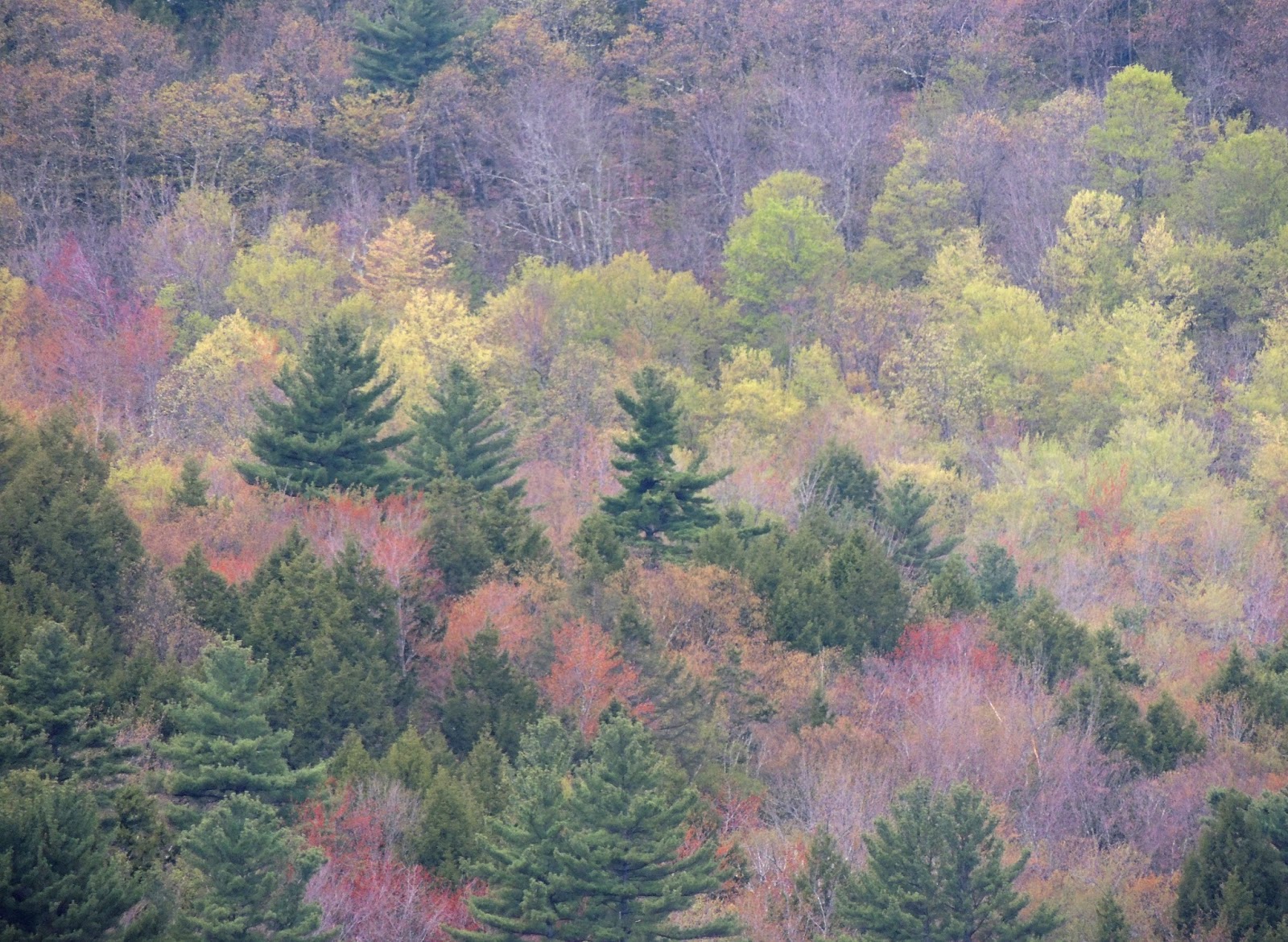
From a recent trip to down east Maine and the Moosehorn NWR.  Misty and rainy weather.  Spring colors were spectacular against the green evergreens and white birch branches and trunks.


Sunday, May 7, 2017

Tanzania Safari: Tarangire, Serengeti, Norongoro with Chumbe Island and Stone Town Zanzibar

A summary of our trip to Tanzania in June/July 2016.  The occasion was the 13th birthday of our twin grandchildren, Toby and Micah.  We went on a 10 day safari in northern Tanzania where we were treated to great African animal sightings.  We also visited three Tanzanian tribes and finished the trip with a stay in Zanzibar including snorkeling in Chumbe Island and a spice farm tour.

Our trip was a tremendous success as we saw a huge number of different animals and birds and the landscape was spectacular. Credit is due our very knowledgeable guide and driver, Eugene Mrosso, whose deep experience in the African bush helped to locate the animals.

Wednesday, February 8, 2017

Tanzania Safari: The Dotoga, Hadzabe and Maasai Tribes

During last summers safari in Tanzania we visited three indigenous tribes near the safari areas.  The following book was put together from the photographs made during our visits to the three villages.  Each tribe's way of life was markedly different:  
The Dotoga tribe had cattle and goat herds, some farming and an ongoing metallurgy activity producing arrow and spear points for other tribes and jewelry.  They could melt copper and aluminum, but not iron. They heated iron to a red hot temperature and then employed blacksmith techniques to shape the metal into useful items.
The Hadzabe were in a way the most interesting as they were hunter/gatherers as in pre farming and pre animal domestication times.  We were able to watch three of their young hunters go out to find some small animals.  They had killed a large animal recently so did not require food at the moment.
The Maasai are famous as cattle and goat herdsmen.  They range over a wide region of the Serengeti region and each man carries a spear by tradition for protection.  In past times they had the attitude that all cattle were given to them by God so they could take any cow they came across.  They have subsequently given up cattle rustling apparently. 

Sunday, August 21, 2016

Tanzania Safari, Norongoro

Norongoro is a caldera (19km wide, 260 sq. miles) with stunning views from the crater rim and a super abundance of wildlife on the crater floor because of the the presence of water.  The caldera was formed two/three million years ago when a volcano exploded and collapsed on itself. Tanzania Safari, Norongoro Landscape

Saturday, August 20, 2016

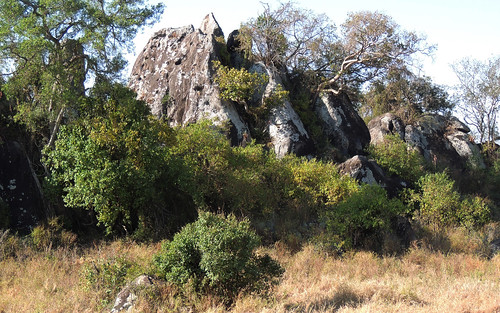
Tanzania Safari, Serengeti Landscape

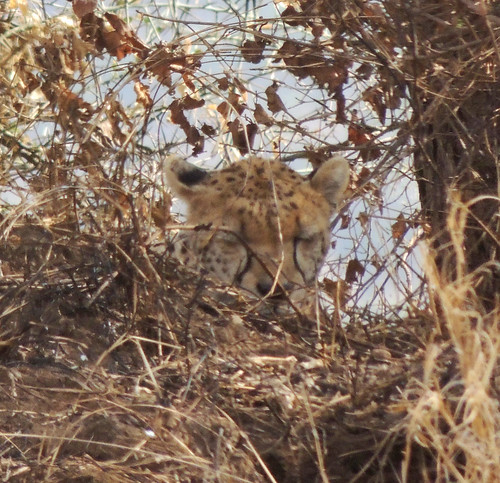
The Serengeti is an enormous savannah with wetlands and ancient volcanic rock formations stretching as far as the eye can see.  We encountered cheetahs and lions close by, as well as elephants, giraffes, hartebeests, monkeys, hippos, topi and many birds.

Tanzania Safari, Serengeti Landscape

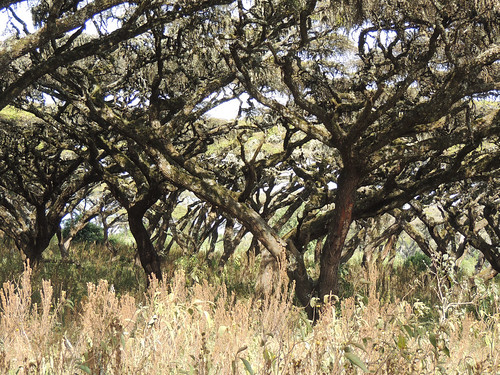
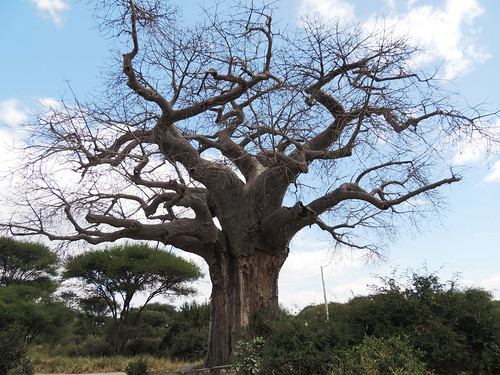
Tanzania Safari, Tarangire Landscape

Tarangire reportedly has the second largest concentration of wildlife in the world next to the Serengeti.  It also presents spectacular scenery, including large stands of Baobob trees.  The Tarangire river flows even in the dry season, providing attraction to wildlife of all sorts.  Spectacular birds were in abundance.  We also came across the Anaconda digesting his meal(see reptile post)
Tanzania Safari, Tarangire Landscape

Thursday, August 18, 2016

Tanzania Safari, the Maasai

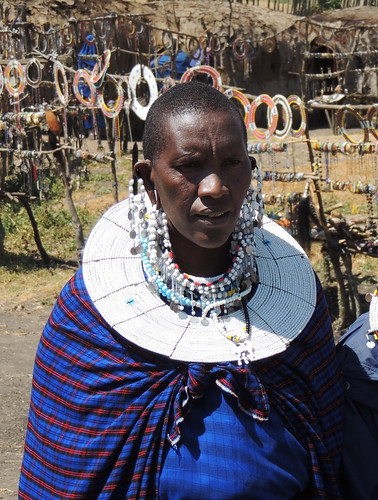
The Maasai heritage is famous for the view that God gave them all of the cattle in the world so they have a right to take any cattle they come across.  The rustling tendency apparently has now disappeared.  The Maasai maintain their herding way of life, with cattle, goats, and sheep in flocks over a large expanse of land near the safari areas.  The flocks are taken out for grazing and water during the day and then returned to the village and kept in protective pens (against predators).  It seems many of the herds were tended by children.  During our visit to a Maasai village all of the live stock was absent as were most of the older children.  The Maasai are known for their colorful dress, their dancing and high jumping(for men).

Tanzania Safari, Maasai

Tuesday, August 16, 2016

Tanzania Safari, Hadzabe tribe

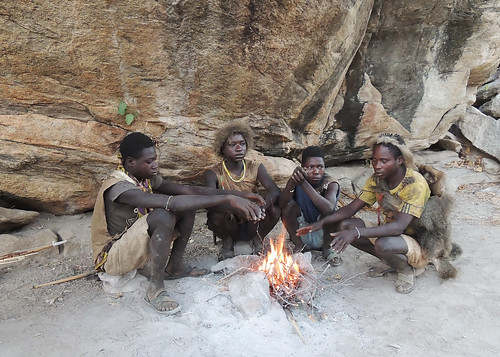
Leaving very early from our hotel we traveled  by dirt/rock roads and then by dried up river bed to reach the site of a Hadzabe tribe camp.  The tribesmen were gathered around their campfire talking among themselves, having cooked their breakfast earlier.   The tribeswomen and their children were gathered around their own fire:  the children were eating a porridge like cereal.  After some time the men started another fire (to light their marijuana pipes) demonstrating a skilled fire by friction technique.  The Hadzabe is an aboriginal tribe, essentially hunter/gatherers, that have not changed their ways since pre-historic times it seems.  They total approximately 1000 members scattered over a wide area in Northeaster Tanzania. We went on a small hunt with them and they later performed a tribal dance, joined by the women and children.  We also tried out their bows for target practice.

Tanzania Safari, Hadzabe Tribe

Saturday, August 6, 2016

Tanzania Safari, the Datoga (or Tatoga) tribe

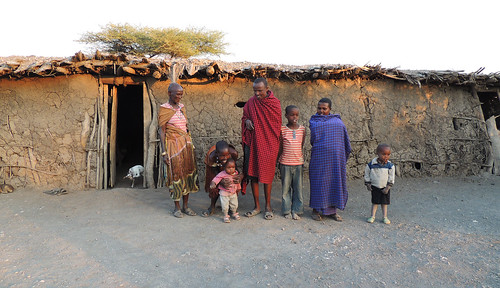
The Datoga tribe remains one of the tribes tenaciously holding to their tribal ways.  We visited a family compound to see their home, how they grind corn for polenta, how they work primitive metallurgy and their corral for their cattle/goat herds.  The cattle herd was just returning after a day of grazing and watering outside the compound.

Tanzania Safari, the Datoga (or Tatoga) Tribe

Friday, August 5, 2016

Tanzania Safari, Reptiles

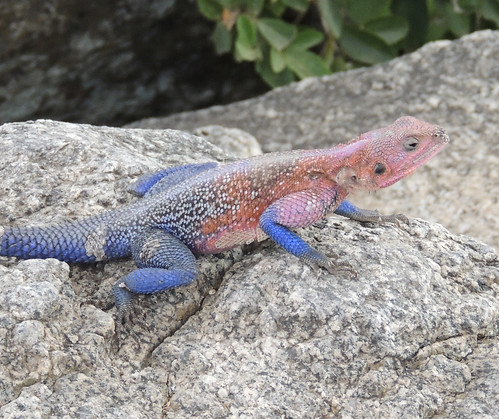
A python was curled in the tall grass digesting a recent meal, apparent from it's very enlarged body.  The snake was not fully visible but obviously formidable.  A puff adder was seen crossing the road, rather small but reportedly very dangerous.  An alligator was seen in a river in the Serengeti. And then we marveled at the Pink and Blue Agama seen at the Serengeti entrance.

Tanzania Safari, Reptiles

Tanzania Safari, Monkeys

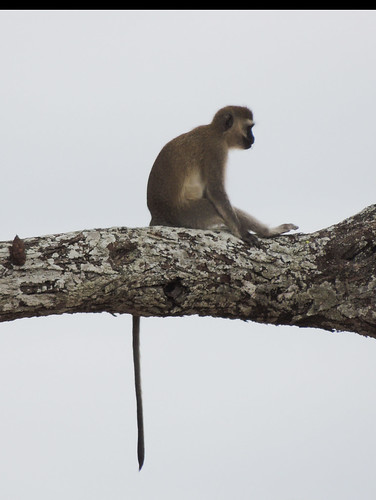
Monkeys (excepting the baboons) were present in a number of locations but not really in abundance.  We were entertained with tree-top acrobatics in Serengeti, and there were a tribe of monkeys in the check-in station to Serengeti conservation area.
Tanzania Safari, Monkeys

Tanzania Safari, Leopards

The leopards were all seen taking naps in the trees.  They were laying out on the larger branches seemingly content to while away the hours of the day until it was time to hunt again after sunset.

Tanzania Safari, Leopards

Wednesday, August 3, 2016

Tanzania Safari: Birds, Birds, Birds, ...

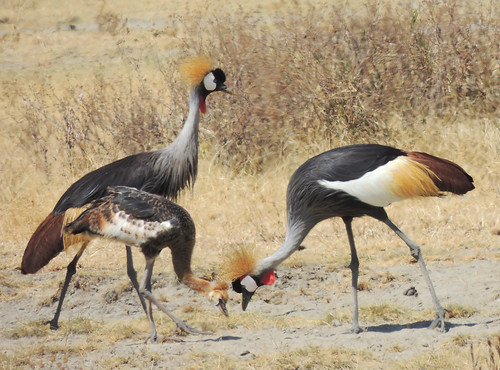
There are a large (very, very large) number of weird and wonderful birds in the savannah.  This album presents the "snap shots" made during our safari.  A trip specifically looking for birds is warranted to capture the true grandeur and variety.

Tanzania Safari, Birds

Saturday, July 30, 2016

Tanzania Safari, Ostriches

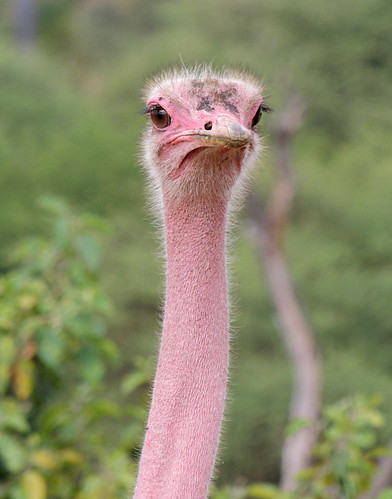
Ostriches were pretty much everywhere, Tarangire, Serengeti and Ngorongoro.  They were visible from a distance, particularly the males as they stood out as a black mass on the horizon.  The males also have a striking pink neck and legs in contrast to the females subdued grays.  The females feathers were none the less striking
.Tanzania Safari, Ostriches

Friday, July 29, 2016

Tanzania Safari, Waterbuck

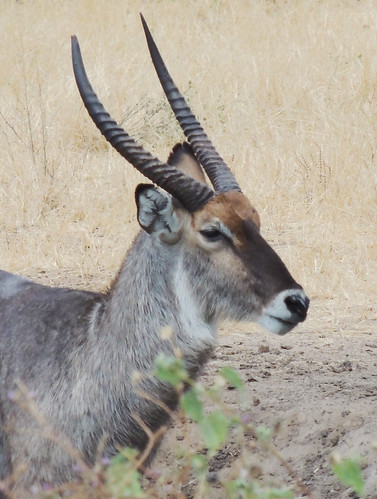
A waterbuck was seen just after entering Tarangire and several the next day, a mature adult male and a young male.  Their horns are spectacular, their shaggy coat and white markings quite handsome. We also saw a very young waterbuck in Ngorongoro, perhaps a female as there was no sign of horns.

Tanzania Safari, Waterbuck

Tanzania Safari, Baboons

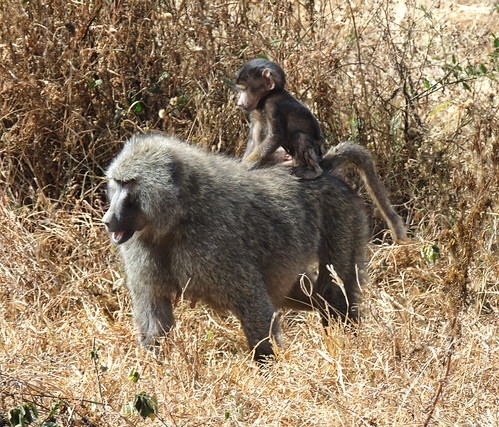
A tribe of baboons were seen in Ngorogoro spread over the savannah.  They were near some fruit trees that most likely served their food needs.  Along the road outside the conservation areas we saw a tribe of baboons nicely located near the road edge waiting for handouts.  There was also a tribe resident at the entrance gate to the Ngorogoro Conservation area.  Here they have a habit of entering the safari vehicle through open widows to check out any available food.  We watched as a mother with her young riding on her back enter a vehicle and emerge with a banana and box of crackers.  The banana was gone immediately (no peeling) and the crackers were consumed up in a tree.  We watched the cracker packaging material float down from above.
Tanzania Safari, Baboons